Discover the Essential Services Provided by a Construction Manager for Your Construction Job
In the construction industry, a construction firm is critically important in achieving a successful outcome. Their services encompass comprehensive project oversight, budgeting, and aligning all involved entities. This expertise not only streamlines operations but also handles regulatory adherence and quality assurance - Hickory top rated Commercial General Contractor. Knowing these key functions can greatly influence the project's final result. What specific benefits can a GC bring to next construction job?
Thorough Project Oversight
Detailed project administration is crucial for the successful execution of construction projects. It involves a organized strategy that encompasses planning, coordination, and management of a build from inception to completion. A construction manager plays a pivotal role in this process, ensuring that all elements of the job match up with the client's vision and regulatory requirements.
Successful project oversight includes defining project scopes, timelines, and results while maintaining clear communication among stakeholders. The contractor coordinates subcontractors, oversees assets, and monitors quality control to ensure the project meets established specifications. In addition, a thorough project strategy includes risk management methods to spot issues ahead of time and formulate backup strategies.
In the end, good project control promotes teamwork, streamlines processes, and enhances the likelihood of finishing a job on time and within budget and scope, thus increasing client satisfaction and project success.
Budgeting and Cost Control
Successful project oversight requires the need for tight budget control and expenditure management. A commercial general contractor is essential in creating the monetary plan for a project. This includes thorough budget forecasting based on project specifications, labor, materials, and tools. By identifying potential financial risks early, the contractor can implement strategies to address these problems, ensuring that the project does not exceed the allocated funds.
Additionally, ongoing tracking of spending throughout the project lifecycle is critical. The general contractor uses established procedures to measure spending compared to the budget, enabling proactive adjustments as needed. This meticulous methodology is key to preventing cost overruns but also improves fiscal responsibility among all stakeholders. In the end, essential information sound financial planning and cost management promote financial transparency, enabling well-grounded decisions and the distribution of resources, a factor essential for the successful delivery of any construction project.
Liaising with Subcontractors and Vendors

During the execution of a project, effective liaison with suppliers and subs is essential for maintaining workflow efficiency and hitting target dates. A commercial general contractor plays a pivotal role in managing these connections, making sure every party is in sync with the project schedule and deliverables. Clear communication between the general contractor, suppliers, and subcontractors is vital to mitigate delays and avert costly errors.
The contractor manages the planning of subcontractor work sequences, a process that optimizes operations and optimize resource allocation. Additionally, they manage the procurement of materials from suppliers, guaranteeing resources are supplied on time and within budget. Through the management of these key relationships, the GC can quickly resolve emerging problems, leading to a more seamless construction process. In the end, this concerted effort not only enhances project efficiency but also contributes to the overall success of the construction endeavor, ensuring that all components come together seamlessly.
Compliance With Building Codes and Regulations
Ensuring compliance with building codes and regulations is a primary obligation of a commercial general contractor, as failure to adhere to these standards can lead to significant legal and financial repercussions. A commercial general contractor must possess a thorough understanding of all relevant governmental regulations that govern building projects. This expertise enables them to manage complicated regulatory systems, ensuring that all aspects of the project—from design to execution—satisfy all mandated criteria.
Additionally, contractors often work closely with regulatory bodies, engineers, and architects to ensure plans and specs comply with regulations. By performing frequent checks and evaluations, they can identify potential compliance issues early, mitigating risks and avoiding costly delays. Ultimately, a strong commitment to regulatory compliance preserves the contractor's reputation but also protects the interests of clients, guaranteeing successful project completion and without undue difficulty.
Safety Oversight and Quality Control
Ensuring quality and managing safety are essential elements of a commercial general contractor's role, directly impacting the success and integrity of construction projects. These elements ensure that all work satisfies required criteria
A professional builder implements rigorous inspection processes to confirm that materials and workmanship match up with project specifications - Hickory top rated Commercial General Contractor. Frequent site inspections are conducted to identify potential hazards and enforce safety protocols among workers. This preventative method not only protects personnel but also avoids expensive hold-ups and rework resulting from safety incidents or quality issues
In addition, open dialogue between the contractor, subcontractors, and suppliers is essential in maintaining high standards throughout the project lifecycle. By prioritizing quality assurance and safety oversight, a commercial general contractor fosters a culture of accountability, which helps ensure the successful completion of projects on time and under budget
Questions and Answers
Which Projects Can a Commercial General Contractor Handle?
A commercial general contractor can manage diverse projects, including corporate offices, retail spaces, warehouses, industrial facilities, renovations, and new constructions. They oversee the whole operation, guaranteeing quality, compliance, and timely completion of each project.
How Should I Select the Right Commercial General Contractor?
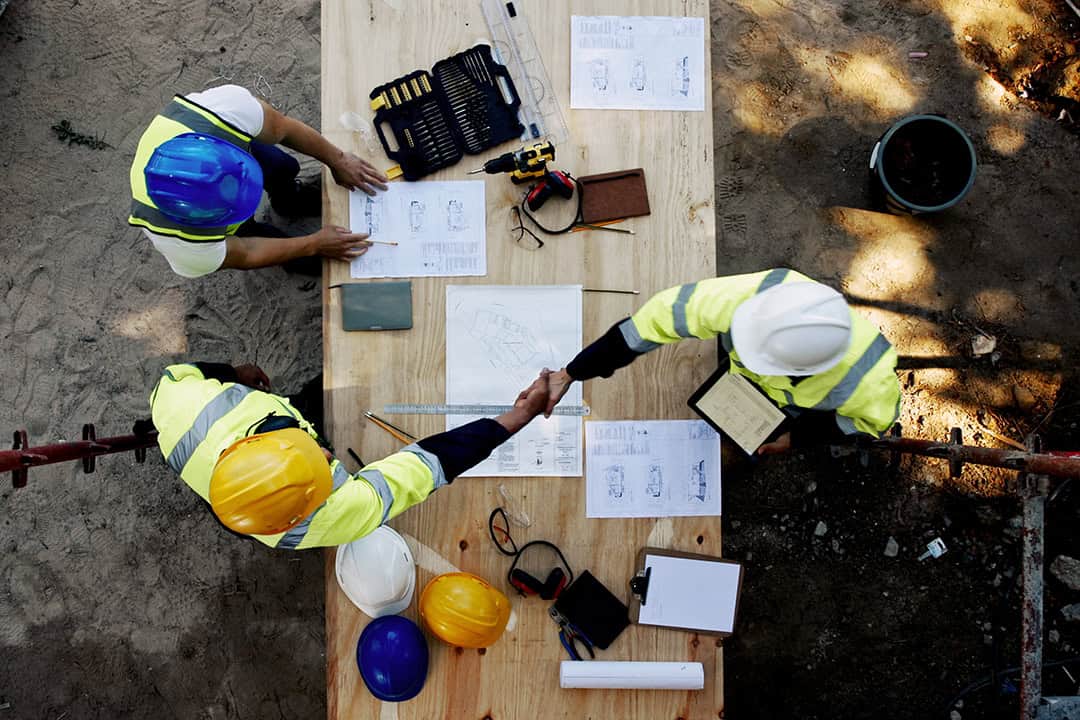
To select the ideal commercial general contractor, one should review their expertise, contact previous clients, assess financial stability, compare project portfolios, and demand transparent communication. A careful vetting process can lead to successful project outcomes.
What Should I Expect During the Initial Consultation?
During the initial consultation, clients can expect discussions about desired outcomes, timelines, financial forecasts, and the contractor's abilities. This meeting acts as a basis for building common ground and matching expectations between the client and contractor.
How Do Contractors Manage Project Timelines Effectively?
Contractors skillfully control project timelines by employing meticulous plans, defining key checkpoints, managing timetables, and keeping communication flowing with all stakeholders. They also adjust resources as needed to mitigate delays and minimize potential setbacks.
What Advantages Come From Employing a General Contractor Versus DIY?
Hiring a general contractor offers professional skill, project management, and a connection with a network of vetted specialists. This guarantees superior craftsmanship, finishing on schedule, and following building codes, which significantly lowers stress and potential costly mistakes compared to taking the do-it-yourself route.